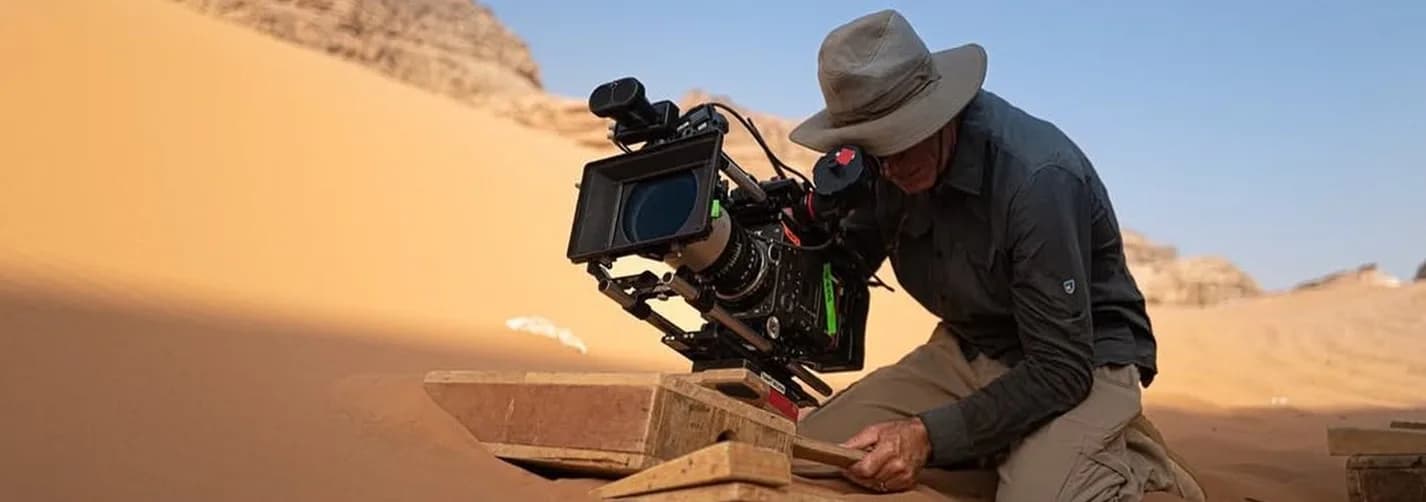
Filming in the Desert: A Producer's Checklist for Remote Shoots
The desert sells itself on screen. The demanding work sits behind the frame, in the season it is shot, the distance it holds from support, the way vehicles reach it, and its capacity to carry a full unit once the day is live. Filming in the desert or remote location starts long before the camera run . What follows is the production logic that turns a remote location into a controlled shoot.
Scout The Ground
Estimate The Scale
Shape The Plan
Run The Shoot
LOCATION READINESS
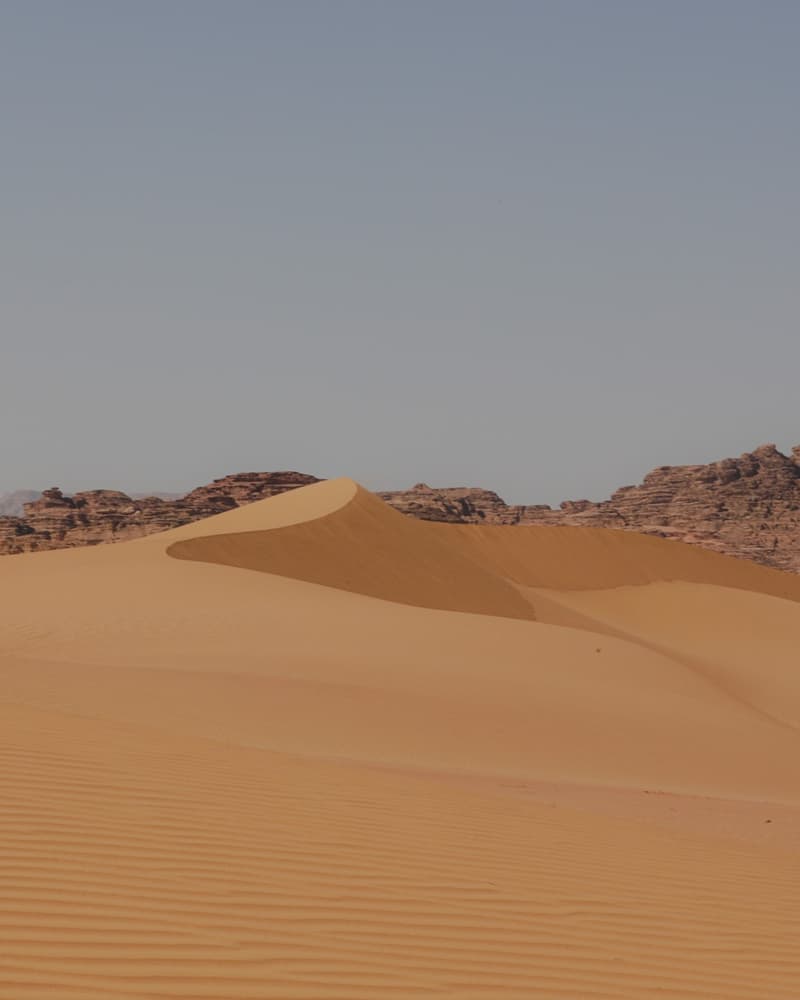
Where Desert Filming Begins: Ground And Scale.
A strong desert frame is only the first read of a location. How vehicles reach it, where the base can sit outside the frame, how close the active filming setups can sit around it, whether the unit has signal, what the exit route looks like if weather changes or filming runs into the night, whether the season supports the schedule, and where the closest accommodation sits all shape the production read. Scale changes the size of the structure, not the need for structure. A small production of roughly 2–10 crew, a mid-size production of 10–50, and a large production of 50–100+ each carry a different weight: vehicles, crew support, PAs, catering, security, prep days, department support, power and generators, medic support, accommodation, client and agency presence, distance to location, and the overtime and night service a first-light shot demands. Terrain adds another layer. Dunes, sand, rock, and uneven ground decide how people, equipment, and vehicles move. In remote desert production, one additional person or one late request can move vehicles, rooms, meals, insurance, and timing. Reading that weight correctly is where the planning begins.
PRODUCTION PLANNING
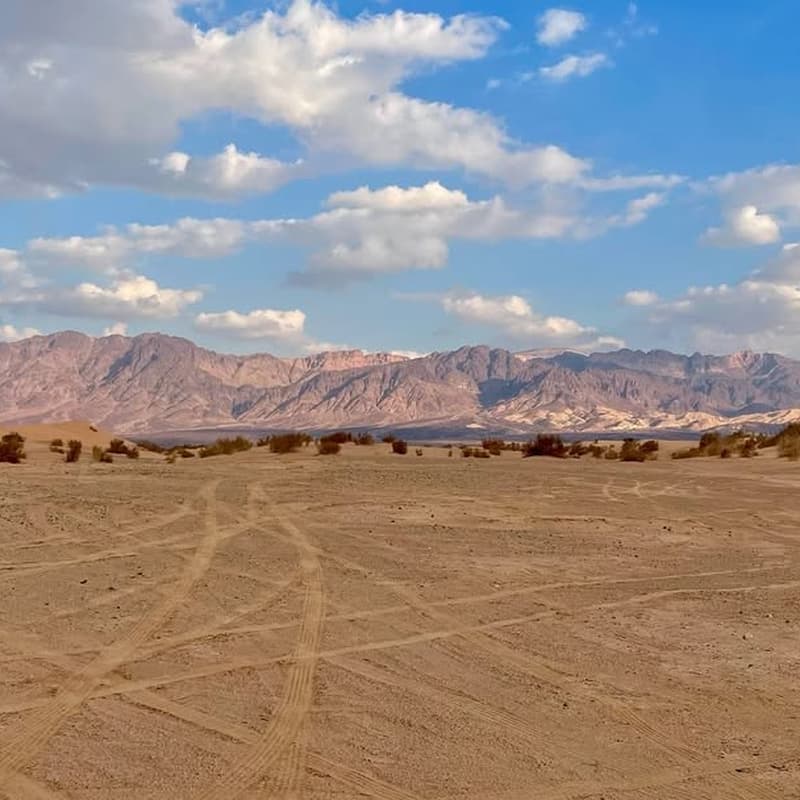
Shape The Plan Before The Unit Moves.
Desert light often gives the image its strongest character in the earlier and later parts of the day. Those windows don't define the whole shoot, but they shape the production plan, from travel time to set, styling and HMU prep, talent timing, equipment movement, the midday heat break, and the route back out after wrap. The recce comes first: access, routes, base camp, set positions, and the pre-light and rig schedule all follow from it, with permit and local-community coordination running in parallel. From there, the First AD's schedule, preliminary call sheets, and shot list turn that ground knowledge into the shape of the day. When prep starts ahead of camera day, art department, lighting, or base build needs its own support structure, transport, food, water, power, and safety check-ins, with a clear handover once the main unit arrives. A strong desert plan carries margin without making the day feel heavy. It reads cast, talent, crew, vehicles, equipment, agency, and client movement against terrain, heat, distance, access, overtime risk, and the time needed to return people safely.
ON THE GROUND
Run The Day With Timing, Support, And Movement.
Desert locations ask more of a production before the camera turns over. Base camp goes in first as the hub, holding the utilities, catering, and crew care, while the art department and set construction prep prior to the shoot. From there a smaller unit moves closer to each setup, carrying what the distance demands, water, shade, cooling or warming as conditions require, communications, health and safety, with the manpower to support the demanding locations and restore the site once filming is done. Pre-light, rigging, and set operations run ahead of the camera so each position is ready on arrival, with work light set early for shots that run into the dark. A remote location can sit an hour minimum from anywhere, and that distance makes crew movement its own discipline: shuttles carry the unit in and out, the vehicles built for the sand stay with the shoot, and the schedule is read against the time it takes to reach the set and return. The last move matters as much as the first, and the day is not closed until every vehicle and every person is off the sand and accounted for.
The result is a remote desert location turned into a controlled shoot environment. Once the ground is ready, the plan is shaped, and the day is supported, the creative team can move between prepared setups with confidence, while crew, talent, equipment, transport, catering, safety, and logistics operate as one system. The location stays cinematic, but the working environment around it is structured enough for the director, agency, client, and production team to focus on the frame.
PRODUCTION CHECKLIST
What Producers Read, Size, Shape, and Run
Read The Ground
Check season, access, terrain, sun path, signal, medical distance, base position, nearby accommodation, active set positions, vehicle approach, truck movement, and exit route before the location is approved.
Size The Shoot
Read the production weight by scale: small, mid-size, or large crew; vehicles, accommodation, catering, power and generators, medic support, client and agency presence, department support, overtime, night service, and late requests.
Shape The Plan
Build the plan from the recce: permits, local coordination, First AD schedule, preliminary call sheets, shot list, set positions, pre-light or rig schedule, art department prep, base build, and handover before the main unit arrives.
Run The Day
Operate the shoot through base camp, moving unit support, water, shade, welfare, catering, communications, health and safety, transport, equipment movement, talent flow, night movement, wrap, and site restoration.